Cards game guide
Toon Crash | Cards Game Guide & Demo
Toon Crash is a colorful cards game built around quick decisions, visible card information, and a clear crash-style round. This guide explains what to watch, how to begin, and where the Toon Crash Demo fits into a p898h session.
In short, choose a comfortable stake, follow the live round from its opening card, and decide whether to leave before the round breaks. The p898h Toon Crash experience is easiest to understand when every action is deliberate rather than rushed.
More Cards to Explore
These compact cards selections share the same p898h cards category. Select an available detail route or open the platform to browse the other listed titles.
Toon Crash: What the Cards Round Is About
Toon Crash is a cards game focused on reading a short, animated round as it develops. A multiplier or round value rises while the session is active, and the central decision is whether to secure the displayed result before the crash point. The appeal is the balance of simple controls, quick pacing, and information that remains visible rather than hidden behind a long ruleset.
The Toon Crash Demo is useful for learning the order of the interface: identify the stake area, locate the round indicator, observe the card artwork, and find the leave or collect control. It is a practice view, not a promise of a result. A calm review of the layout makes the full p898h Toon Crash session easier to follow.
- Format: a cards game with a short, repeatable round structure.
- Focus: timing, stake awareness, and reading the current round display.
- Interface: colorful Toon Crash artwork paired with straightforward action controls.
- Good first question: what action will end my round, and where is that control shown?
For a contrasting way to explore a different game category, the Mahjong Ways 2 game guide shows how a reel-based format differs from this cards experience. Comparing formats helps a new visitor choose a pace that feels comfortable.
Toon Crash Demo: How to Follow a Round
The clearest way to play Toon Crash is to begin with a small, planned action, watch one complete round, and only then decide whether to continue. Use the same sequence in the Toon Crash Demo so the controls feel familiar before you consider a live session.
- Open the game: select Toon Crash from the cards area and allow the game panel to finish loading.
- Set a boundary: choose a stake that fits your session plan, and decide a stop point before the round starts.
- Read the panel: note the current round value, the card or animation state, and the available collect or leave action.
- Choose one action: enter only after checking the displayed information; avoid changing a plan because the animation feels exciting.
- Close the round: use the visible control when your chosen threshold is reached, then wait for the result to settle.
- Review: compare the round with your original plan and pause if the session is no longer comfortable.
This approach is different from a fishing title such as Happy Fishing, where attention is placed on targets and shots. In Toon Crash, attention should stay on the cards panel and the timing of the round-ending control. Neither format removes chance, so play within limits and treat a demo as orientation.
Toon Crash Screenshots: Artwork and Interface Cues
The gallery below uses real local game artwork from the site records. It is best read as a visual cue for the cards category: look for the Toon Crash identity, the compact icon treatment, and the contrast that makes a round indicator easy to notice on a phone.
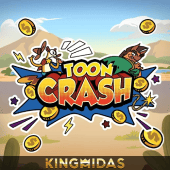
On a narrow screen, the two-column presentation keeps the images readable without forcing horizontal scrolling. The full game view may show additional controls after opening the promotion action, so use the same visual habit: find the active round information before selecting a control.
Toon Crash Beginner Notes for a Calm Start
New visitors usually need less speed and more preparation. Before opening Toon Crash, learn the meaning of each visible control, set a time limit, and keep the amount for the session separate from everyday spending. A short pause after a round is a useful check that the choice still matches the plan.
- Use the demo first: the Toon Crash Demo can help you recognise the order of a round without treating practice as a prediction.
- Check the connection: a stable mobile connection reduces confusion while the game panel is loading or refreshing.
- Protect account access: keep login details private and complete only the account steps shown on the official p898h site.
- Set limits early: choose a budget and a stopping time before opening the cards game, not after an exciting result.
- Pause when unsure: if the round state or a button is unclear, do not guess; wait for the interface to settle or leave the session.
A player who enjoys a slower, reel-focused format may also compare the Boxing King game page before choosing a category. That comparison is about interface preference, not a claim that one game is more likely to produce a result. Responsible play means accepting that outcomes are uncertain.
Quick check: Can you name your stake limit, your stop time, and the round-ending control? If not, stay in the Toon Crash Demo until the layout is clear.
Toon Crash and p898h: How the Pieces Relate
Toon Crash is the individual cards game in this page’s focus. p898h is the platform that groups it with other game types, provides the account and access layer, and presents the shared mobile navigation. The game tile identifies the title and type; the platform action opens the available participation route.
Toon Crash
The named cards game, represented by its exact local icon and a short crash-style round.
p898h access
The site layer for account actions, game discovery, and the mobile-first route used to open the title.
Mobile tools
The p898h app download and p898h download apk searches describe access questions; use the official route and protect your credentials.
These relationships explain why a game name, its cards type, and its image are shown directly on this page while registration and account actions use the site’s shared promotion behavior. They are separate roles, but they are designed to meet in one short mobile journey.